Did You Know?
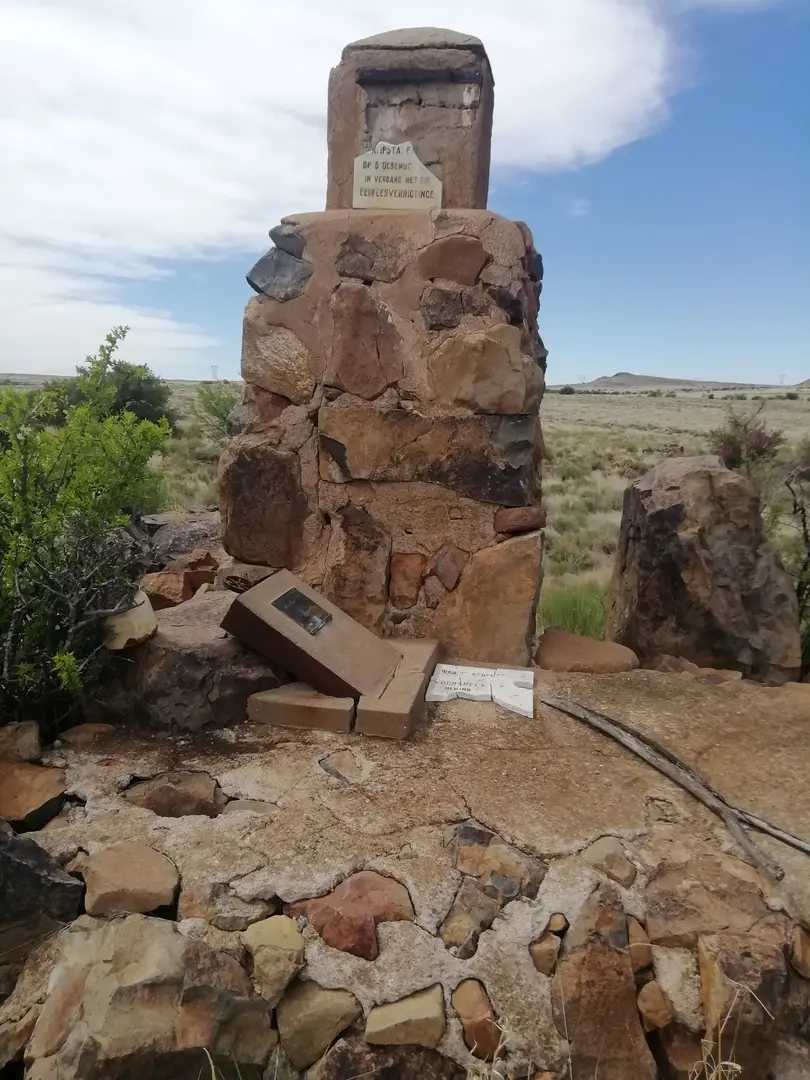
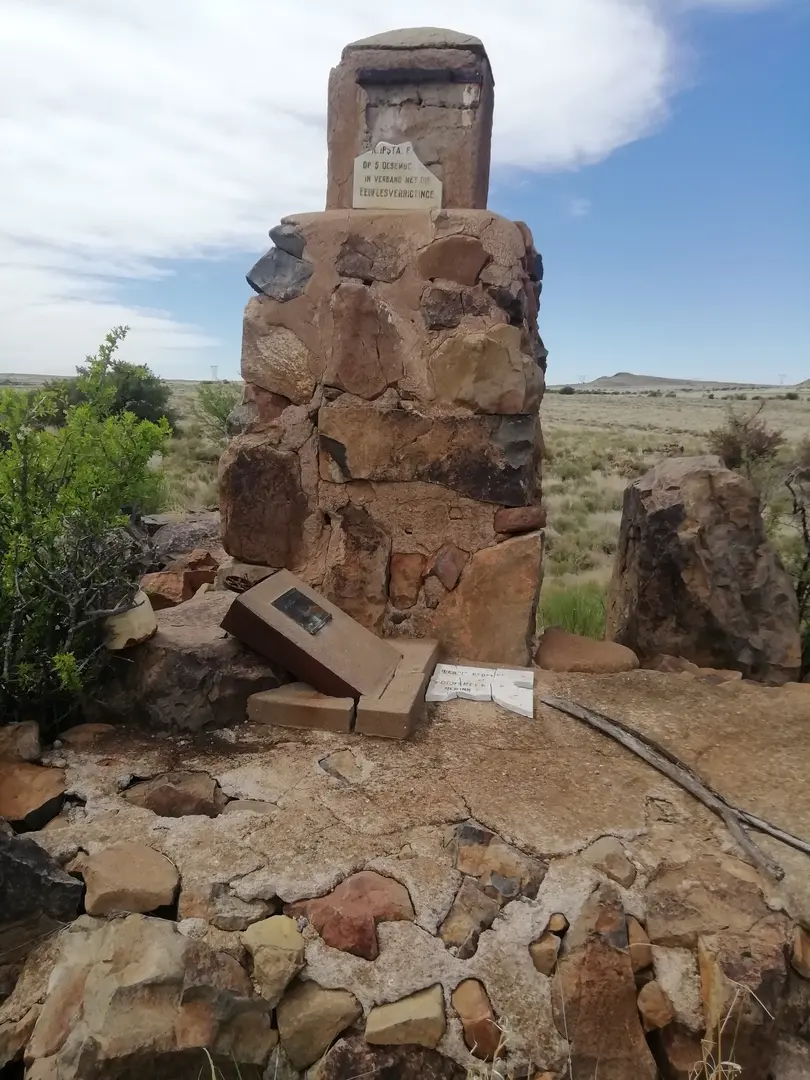
The Voortrekker Herdenkingstog monument in Luckhoff, Free State, was erected in 1938 to commemorate the centenary of the Great Trek of 1838. This was part of a nationwide wave of monument-building and symbolic ox-wagon re-enactments that year, which sought to celebrate Afrikaner nationalist history. The town of Luckhoff itself was established in 1892 on the farm Rietfontein and named after the Dutch Reformed minister Hendrik Johannes Luckhoff, who served the local congregation. The monument in Luckhoff is a modest stone or concrete structure typical of the many local Voortrekker memorials raised in small towns during the 1938 centenary. These monuments often included a symbolic ox-wagon wheel or a simple obelisk, and were frequently unveiled during the same period as the famous 1938 Great Trek centenary wagon trek, which culminated at the Voortrekker Monument site in Pretoria on 16 December 1938. Luckhoff lies in the southern Free State, an area historically traversed by Voortrekker parties moving inland from the Cape Colony. The region was part of the Orange Free State republic from 1854 until the Second Boer War (1899-1902). The monument stands as a local expression of the broader Afrikaner cultural revival of the 1930s, which later became politically significant in shaping Afrikaner identity. No specific details of the monument's design, inscriptions, or exact location within Luckhoff are widely documented in standard heritage records. The site is not listed as a national or provincial heritage site by the South African Heritage Resources Agency (SAHRA), and its current condition or public accessibility is not reliably recorded.
AI-assisted · may contain inaccuracies