Did You Know?
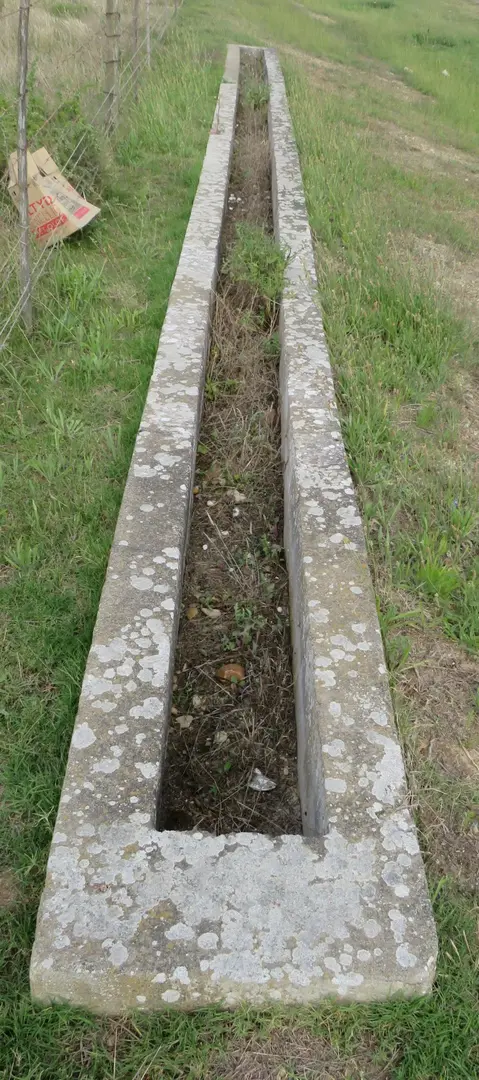
The site referred to as 'Waterkrip vir perde van kerkgangers by Barry Kerk' is a historical horse watering trough associated with the Barry Church (also known as the Old Barry Church) in Port Beaufort, Western Cape. The Barry family, prominent merchants and landowners in the region, established the church in the mid-19th century to serve the local community. The trough was likely built around the 1850s to provide water for horses belonging to congregants who travelled to services, as horse transport was the primary means of travel in the rural area at that time. The church itself, built in 1850, is a notable heritage landmark in Port Beaufort, reflecting the influence of the Barry dynasty, who were key figures in the development of the nearby town of Riversdale and the surrounding agricultural economy. Port Beaufort, located at the mouth of the Breede River, was a small but active harbour town in the 19th century, used for exporting wool and other goods from the interior. The Barry family, led by Joseph Barry, operated a trading empire from this port, and their patronage of the church and related infrastructure, such as the watering trough, underscores their role in shaping local social and religious life. The trough would have been a practical amenity for the many farmers and workers who attended services on horseback or with horse-drawn carts, as the area's sandy terrain and long distances made horses essential. Today, the trough and the church are part of the broader heritage landscape of Port Beaufort, which includes other Barry-era structures. While specific documentation on the trough itself is limited, its existence is tied to the daily practices of the 1850s congregation and the region's reliance on equine transport. The site is a modest but tangible reminder of the intersection of faith, community, and rural infrastructure in the Western Cape's colonial history.
AI-assisted · may contain inaccuracies