Did You Know?
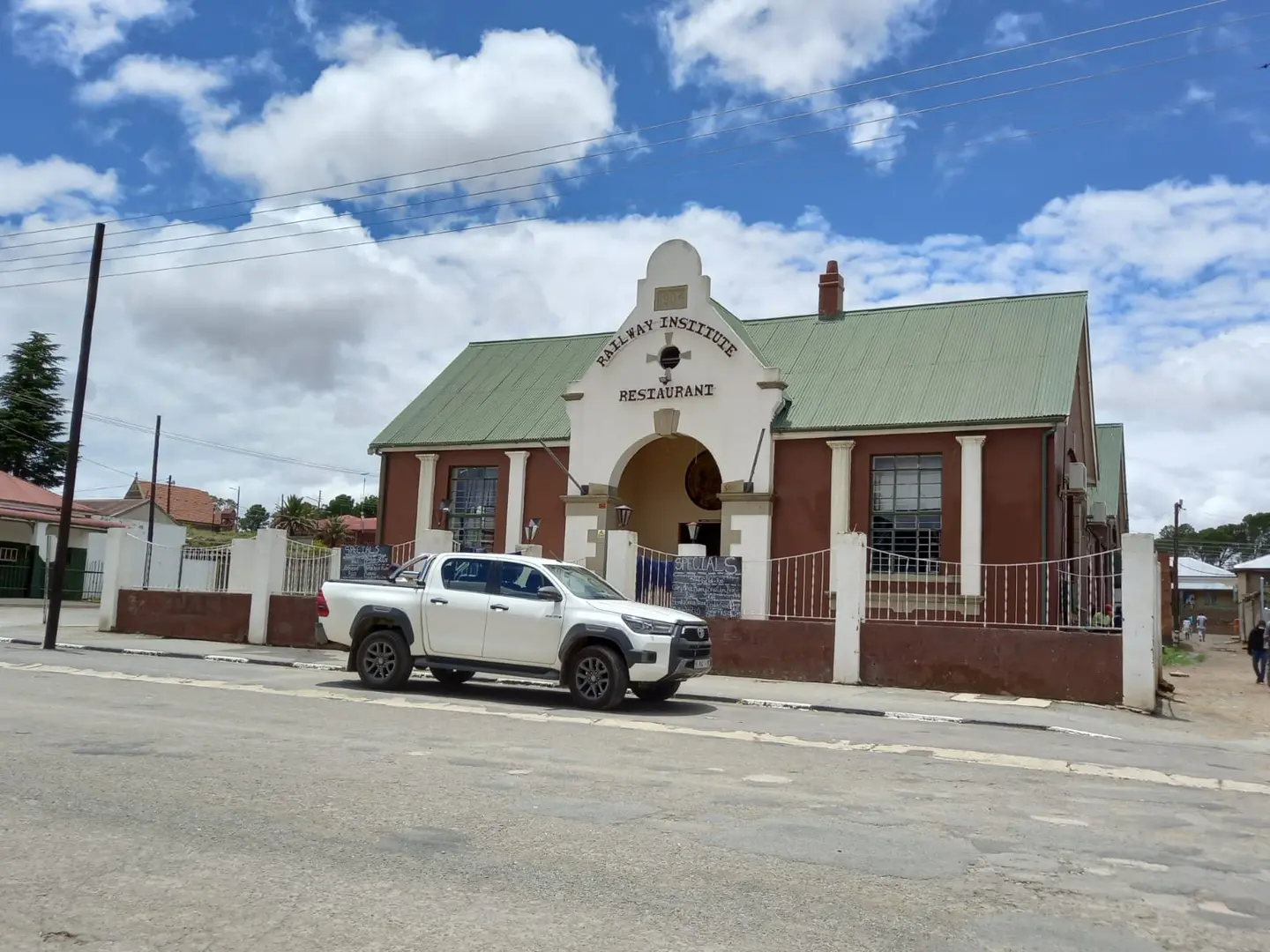
The Railway Institute building in Noupoort was constructed in 1904, during the early years of the town's development as a major railway junction in the Cape Colony. Noupoort itself was established in the 1880s as a railway settlement, where the Cape Government Railways lines from Port Elizabeth, East London, and the interior converged, making it a critical hub for rail traffic. The building served as a social and recreational club for railway personnel, reflecting the British colonial influence in its semi-colonial architectural style, which was common for public and institutional buildings of that era in South African railway towns. For nearly a century, until 1994, the Railway Institute functioned as a meeting place for railway workers, hosting events, meetings, and leisure activities. This period coincided with the nationalisation and expansion of South African Railways (later Spoornet), which employed a significant portion of Noupoort's white workforce. The institute was part of a broader network of similar facilities across South Africa, designed to provide moral and social upliftment for railway employees and their families, often including a library, reading room, and billiard hall. After 1994, with the restructuring of the railway industry and the decline of Noupoort's importance as a rail hub, the building lost its original purpose. The site now stands as a historical marker of the town's railway heritage, though specific details about its current condition or heritage protection status are not widely documented. The semi-colonial style typically features elements such as corrugated iron roofs, verandas, and symmetrical facades, which were adapted to local conditions and materials.
AI-assisted · may contain inaccuracies