Did You Know?
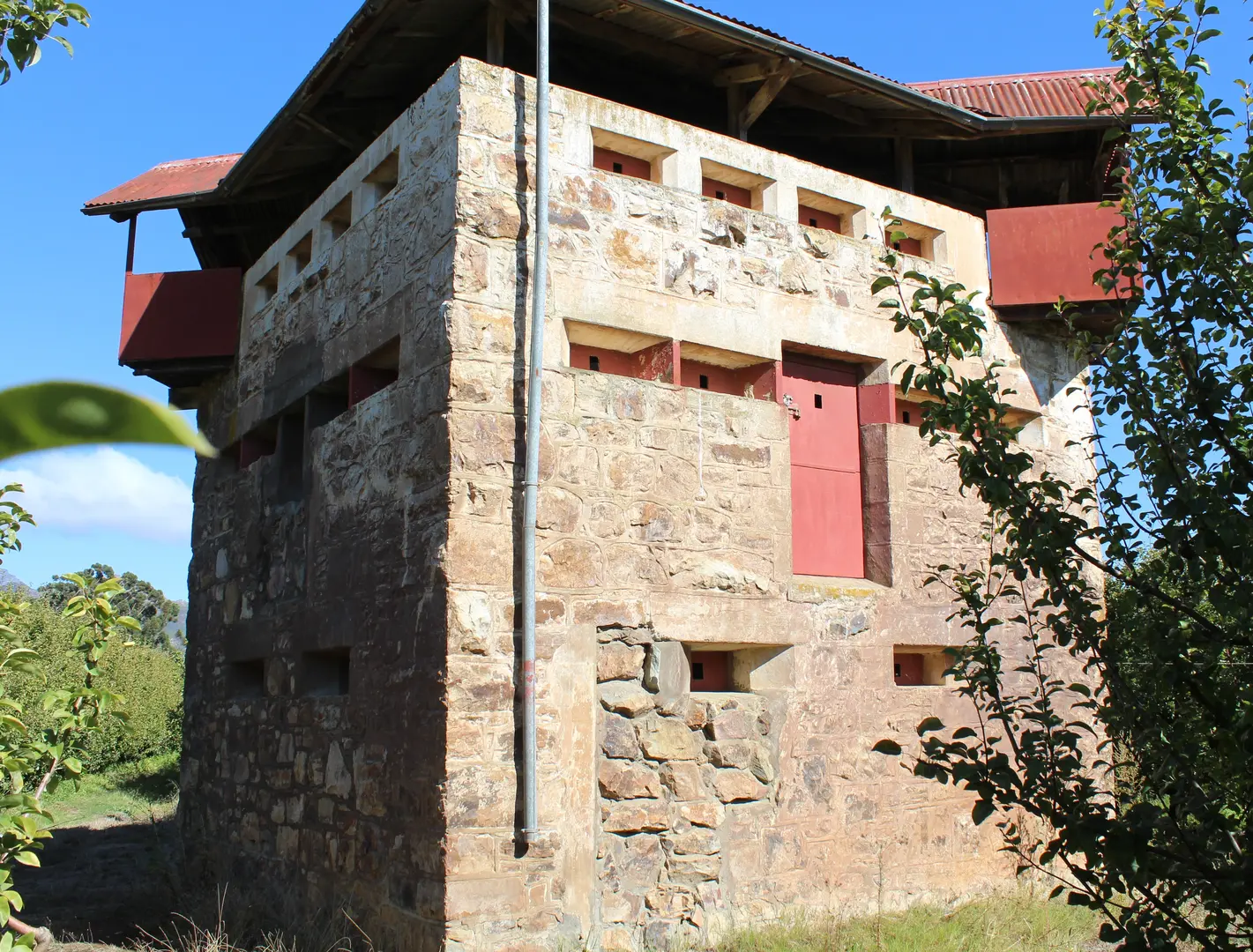
Wolseley Blockhouse No 1 is one of a series of blockhouses built by British forces during the Second Anglo-Boer War (1899–1902). It was constructed in 1901 as part of a network of fortified posts guarding the railway line through the Breede River Valley, which was a vital supply route between Cape Town and the interior. The blockhouse is located near the town of Wolseley in the Western Cape, a strategic point where the railway crossed the Breede River and where the road to Ceres branched off. This particular blockhouse is of the standard British 'pillbox' type used in South Africa during the war, typically built of local stone or brick with loopholes for rifle fire. It formed part of a larger system of blockhouses that protected bridges, culverts, and railway sections from Boer sabotage. The British constructed over 800 such blockhouses across the country, many along railway lines, to counter guerrilla raids by Boer commandos. The site is historically significant as a tangible remnant of the Anglo-Boer War in the Western Cape, a region not a primary battlefield but essential for British logistics. The blockhouse at Wolseley specifically guarded the railway bridge over the Breede River, which was a frequent target for Boer forces operating in the area. Today, it stands as a provincial heritage resource, though specific details about its exact construction date or original garrison are limited in public records.
AI-assisted · may contain inaccuracies