Did You Know?
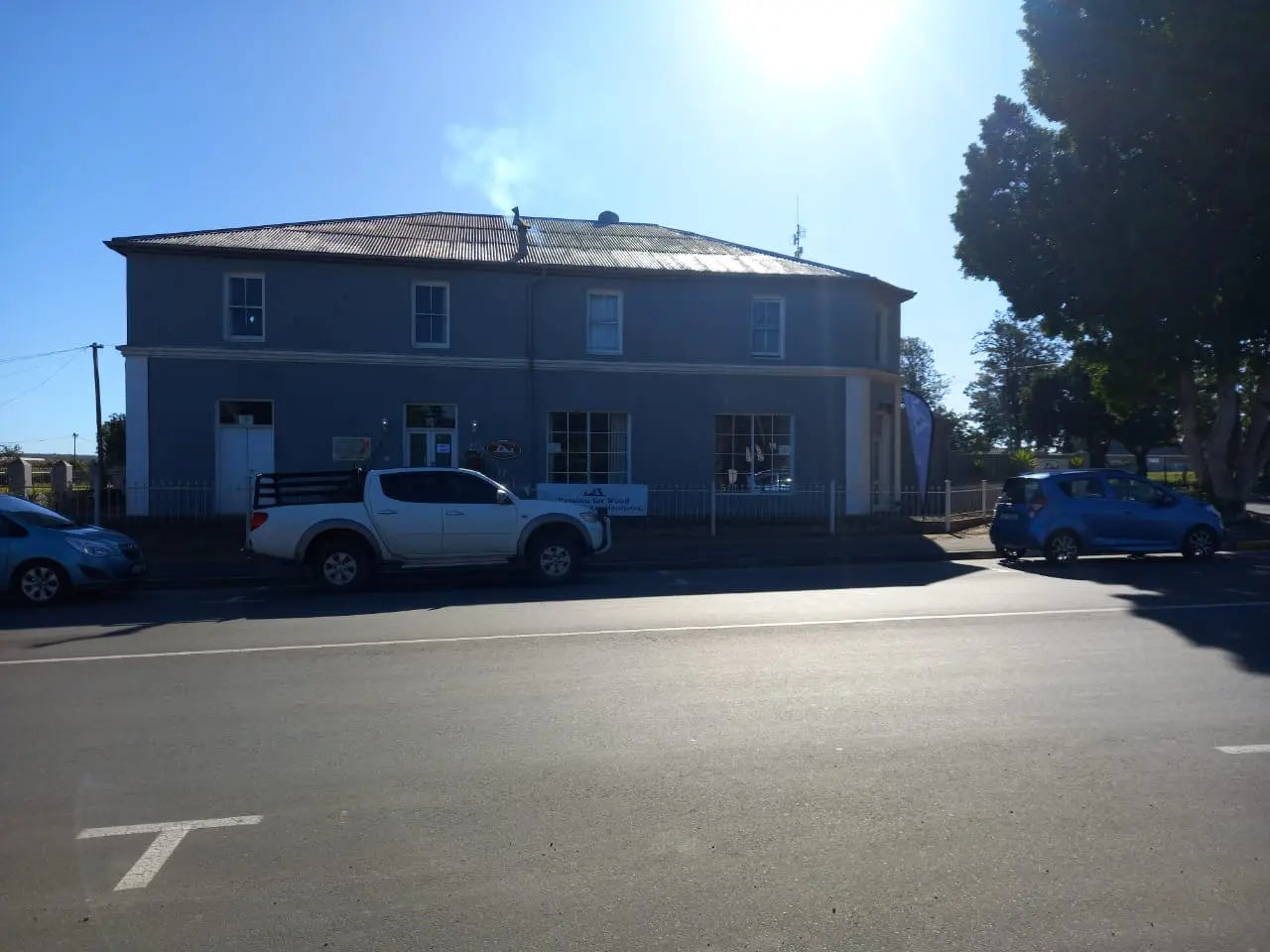
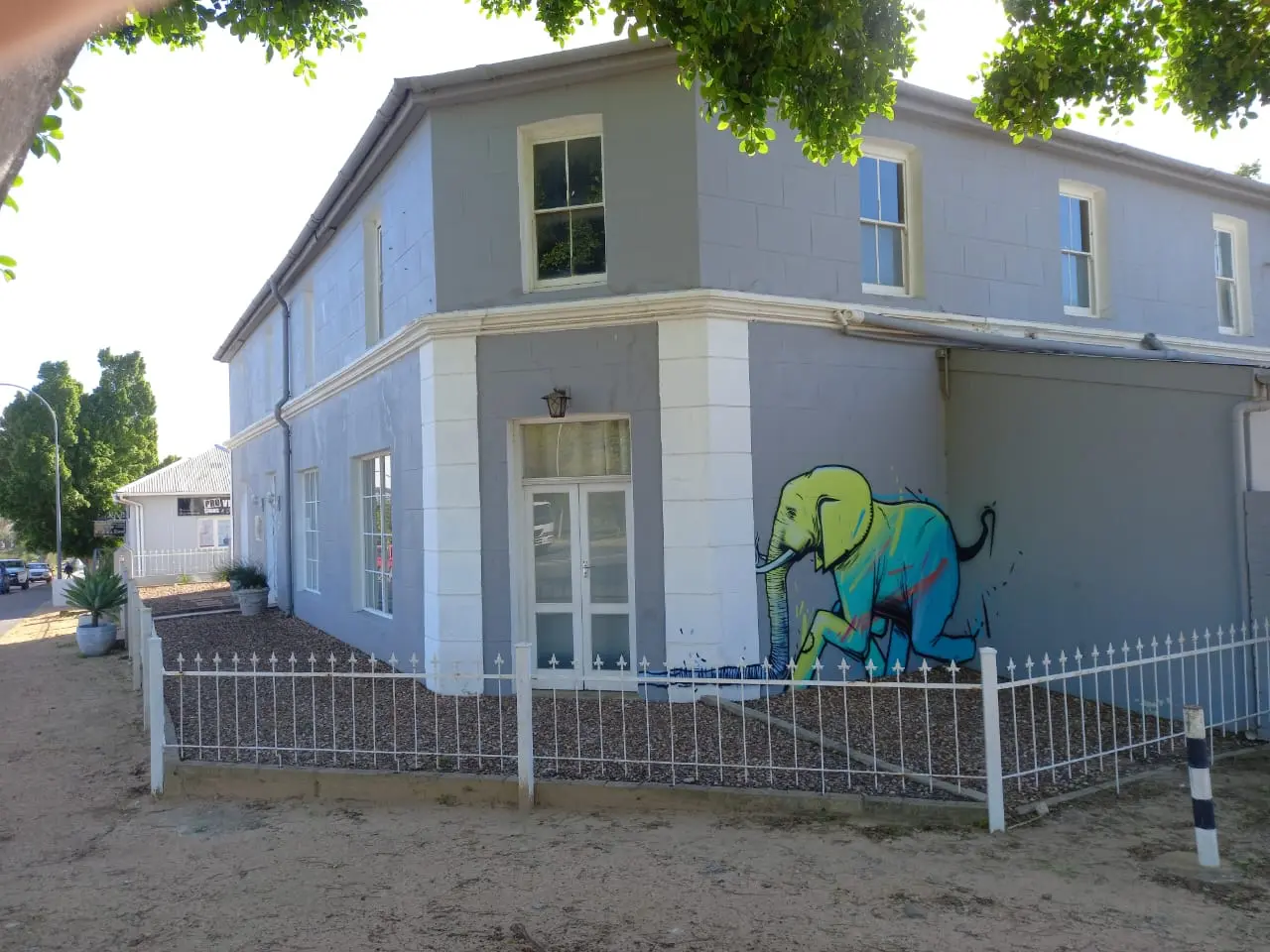
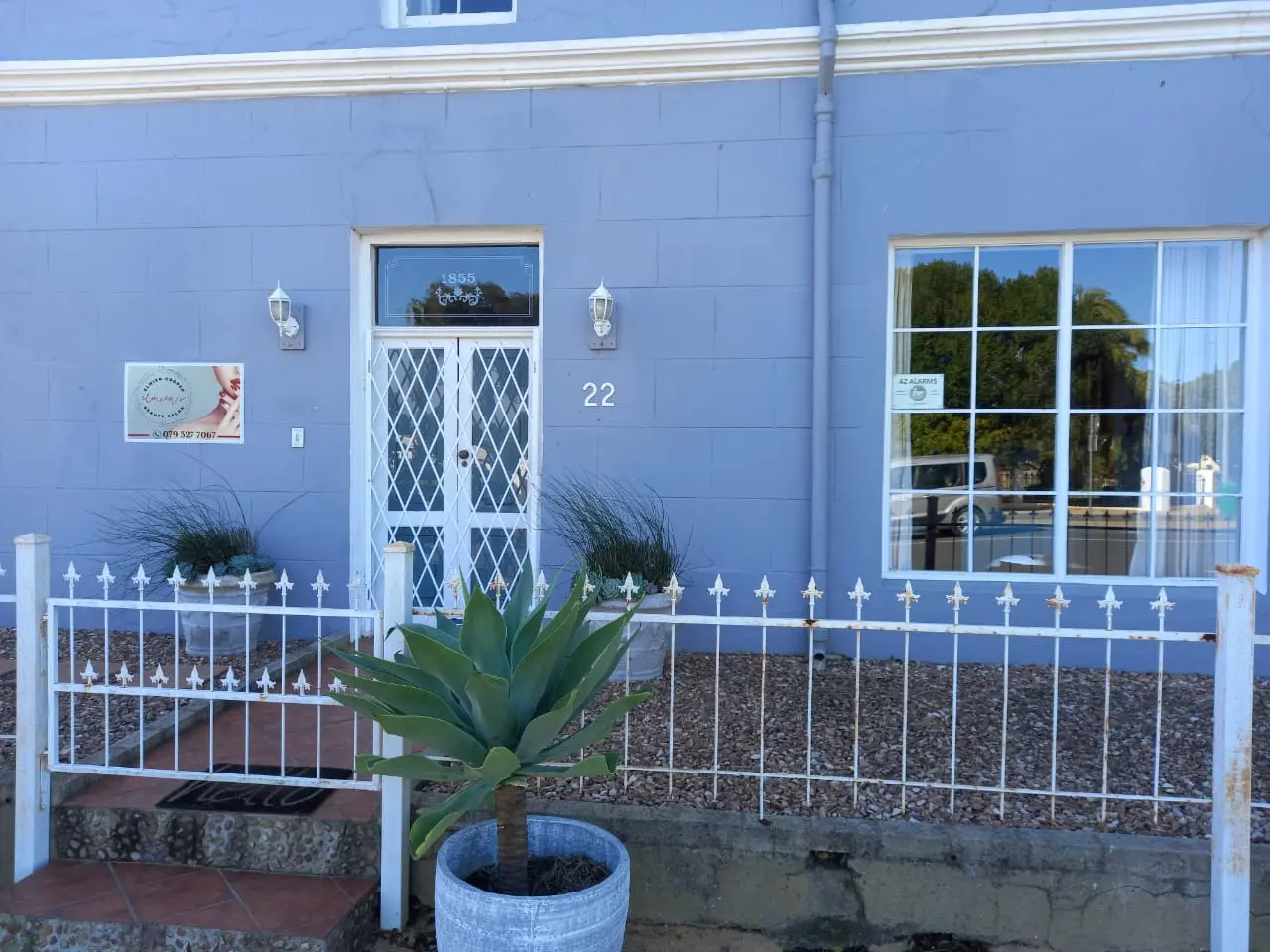
The granary in Hopefield, Western Cape, was constructed in 1855, a period when the town was emerging as a rural service centre in the Swartland region, known for wheat farming. The building's original function as a granary reflects the area's agricultural economy, which relied on storage facilities for harvested grain before transport to Cape Town. Hopefield itself was established in 1851 on the farm Langekuil, and its early growth was tied to the Dutch Reformed Church and local farming community. During the Anglo-Boer War (1899–1902), the granary was repurposed as a hospital. This was a common practice in many South African towns, where civilian buildings such as churches, schools, and warehouses were requisitioned to treat soldiers and civilians affected by the conflict. In Hopefield, the hospital would have served both British troops and local residents, as the region saw limited but notable military activity, including the movement of Boer commandos and British columns through the Western Cape. After the war, the building was converted into a boarding house for teachers. This reflects the post-war development of rural education in the Cape Colony, where teacher accommodation was often provided in repurposed structures. The building's successive uses—granary, hospital, and boarding house—illustrate the adaptive reuse of heritage structures in small Karoo and Swartland towns, where economic and social needs dictated the evolution of public buildings. Today, the site is a reminder of Hopefield's layered history, though specific architectural details or current preservation status are not widely documented. The town itself is known for its historic Dutch Reformed church (completed in 1859) and its proximity to the West Coast Fossil Park, which adds broader regional context to the area's heritage.
AI-assisted · may contain inaccuracies