
Did You Know?
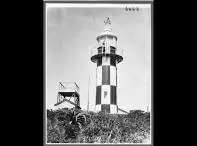
The Port Shepstone Lighthouse was established in 1905 at the mouth of the Mzimkhulu River in Port Shepstone, KwaZulu-Natal. It was built to guide vessels into the small harbour that served the local sugar and timber industries, which were central to the town's early economy. The lighthouse is a square, skeletal steel tower, painted white with a red lantern room, and stands approximately 12 metres high. Its light originally used a fixed kerosene burner, later converted to electric operation, and it remains an active navigational aid today, though the harbour itself is no longer commercially significant. Port Shepstone was founded in 1867 and named after Sir Theophilus Shepstone, a prominent colonial administrator in Natal. The town developed as a port and administrative centre for the lower South Coast. The lighthouse was built during a period when the Natal government was improving coastal navigation aids, following the establishment of other lighthouses along the KwaZulu-Natal coast, such as those at Umhlanga (1954) and Cape St Lucia (1906). The structure is a modest example of early 20th-century lighthouse engineering in South Africa, and it is not a major tourist attraction but holds local heritage value as one of the few remaining historic maritime structures in the region. Contextually, the lighthouse reflects the broader maritime history of the South Coast, where small harbours like Port Shepstone, Umkomaas, and Green Point served coastal trade before road and rail transport became dominant. The Mzimkhulu River mouth is notoriously prone to sandbar formation, which limited the harbour's usefulness and contributed to its eventual decline. The lighthouse remains a recognised landmark in the town, though it is not formally declared a national heritage site by the South African Heritage Resources Agency.
AI-assisted · may contain inaccuracies