Did You Know?
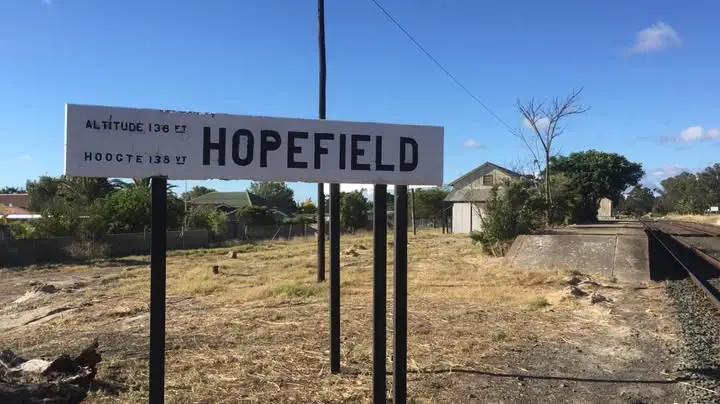
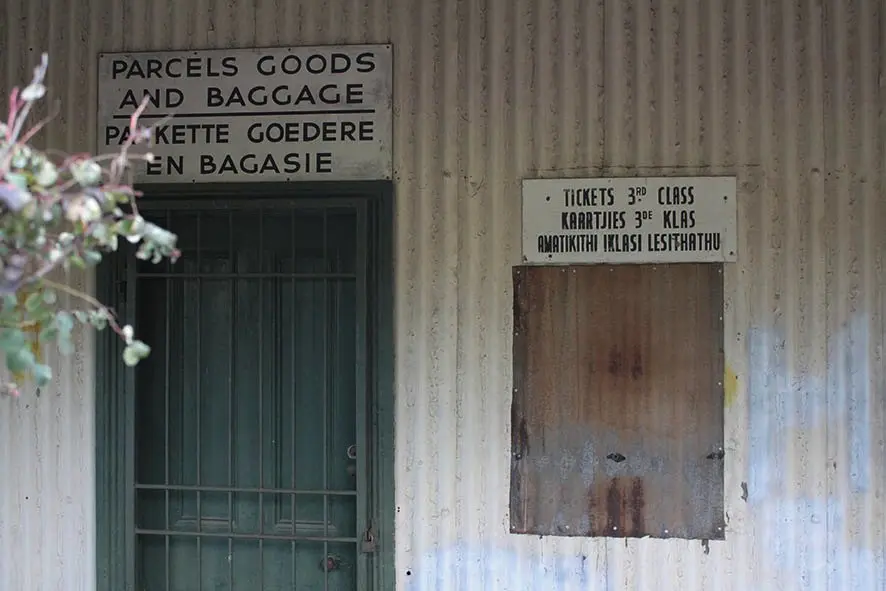
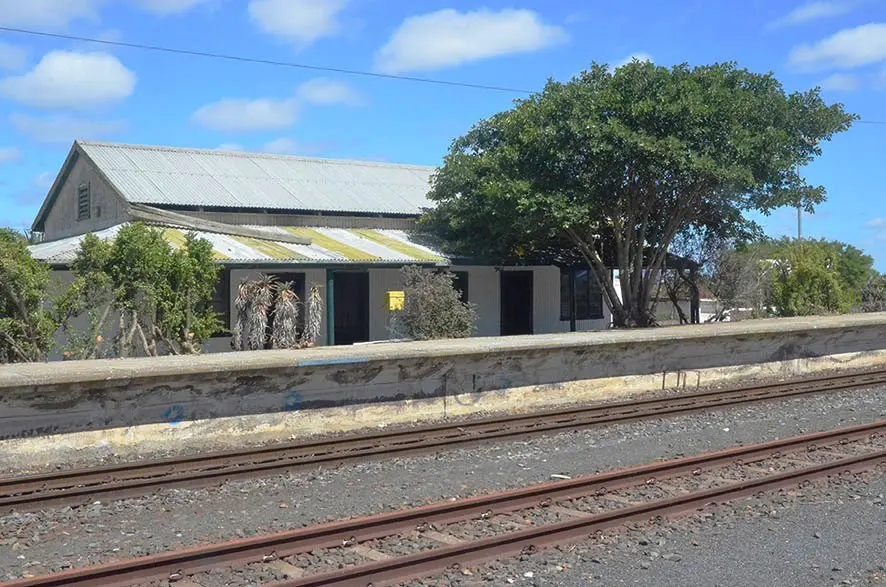
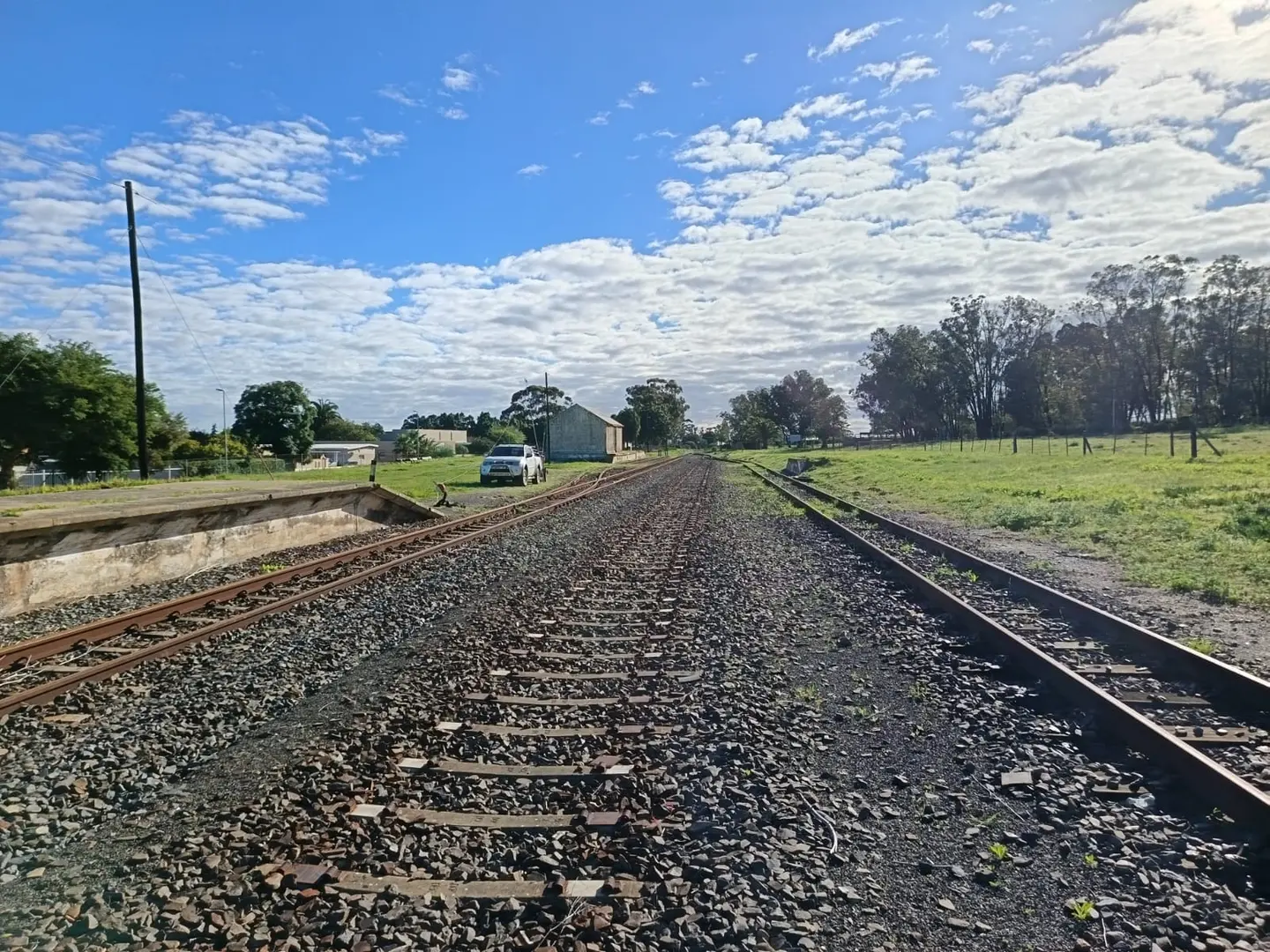
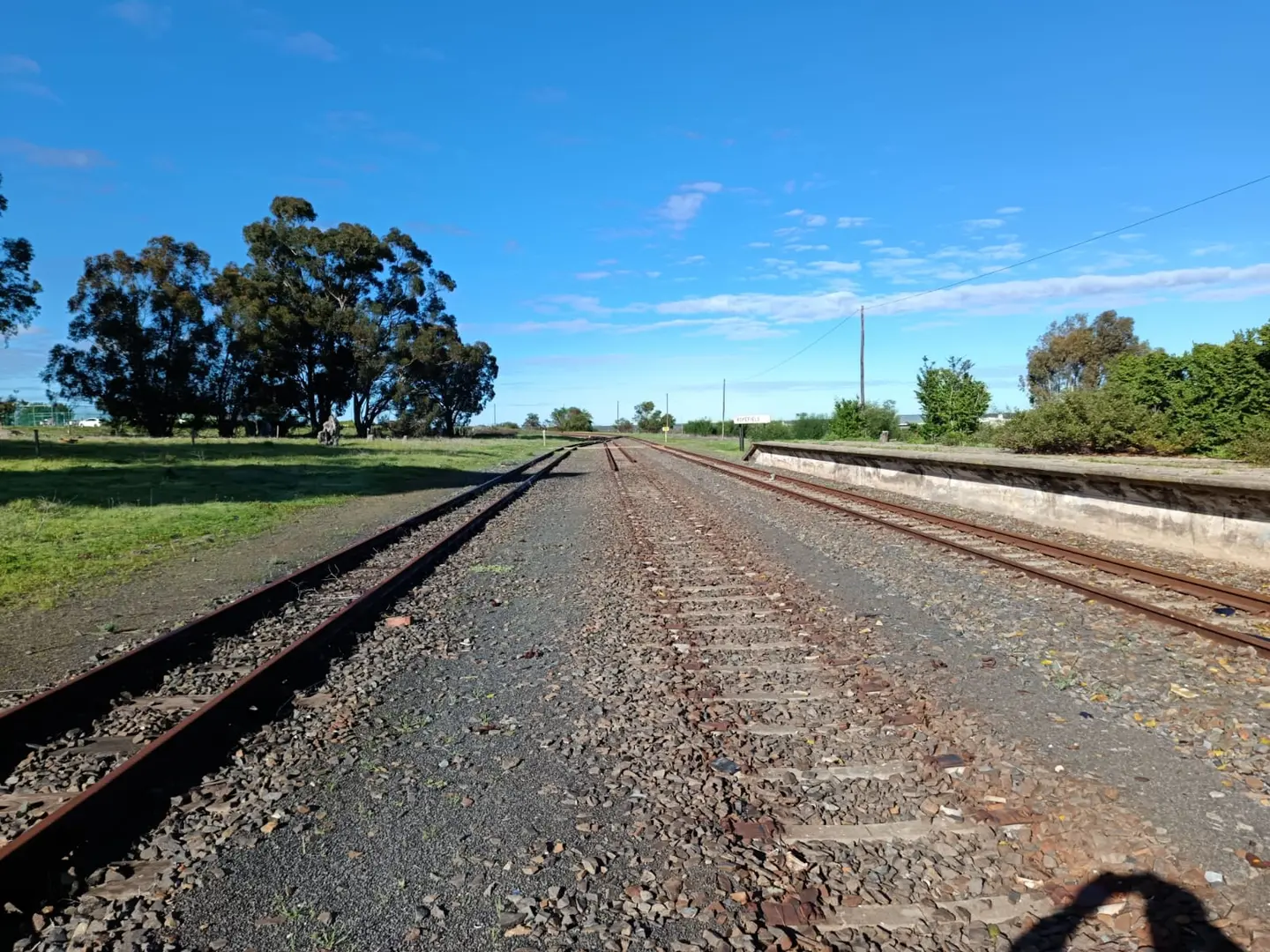
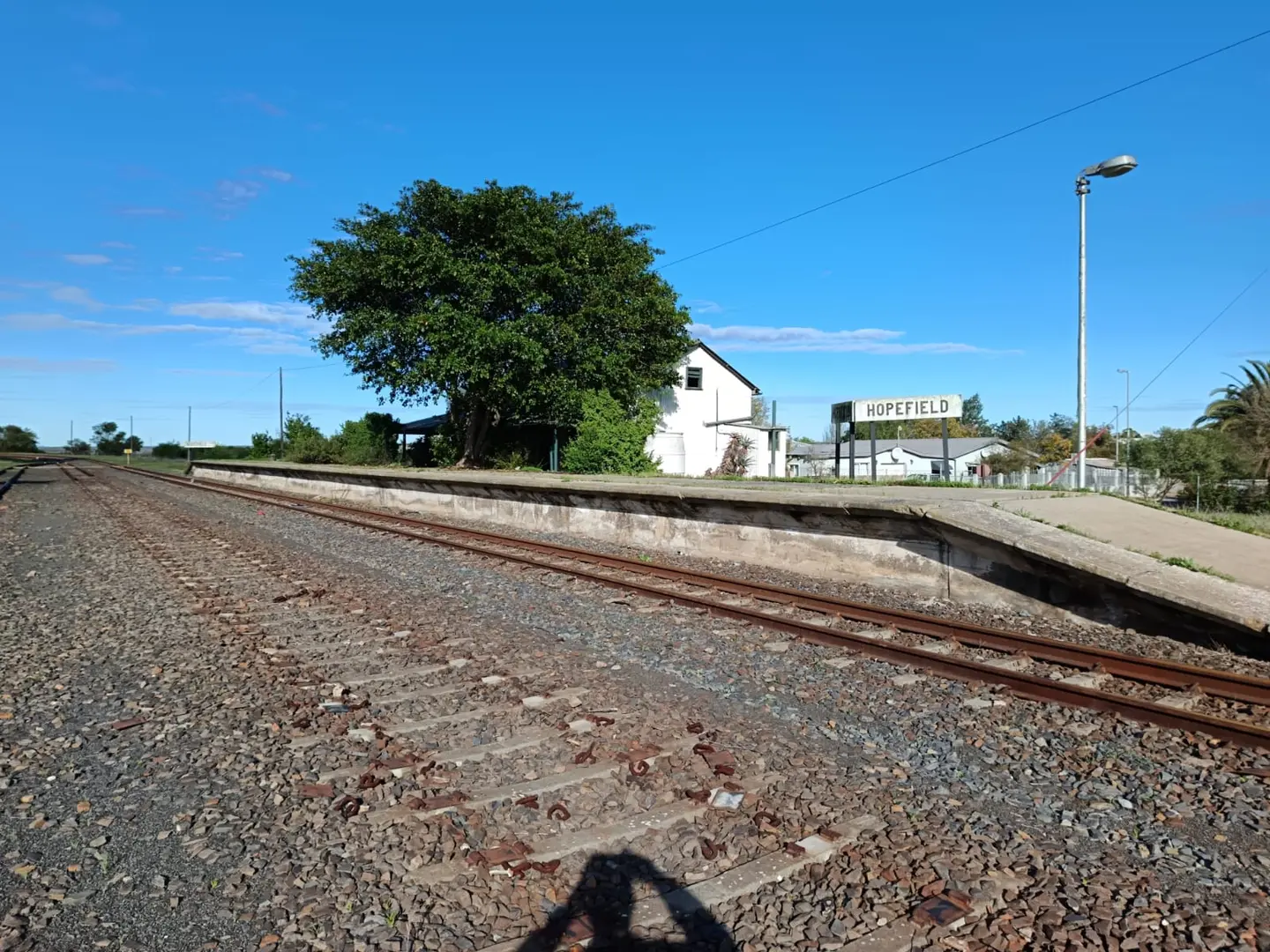
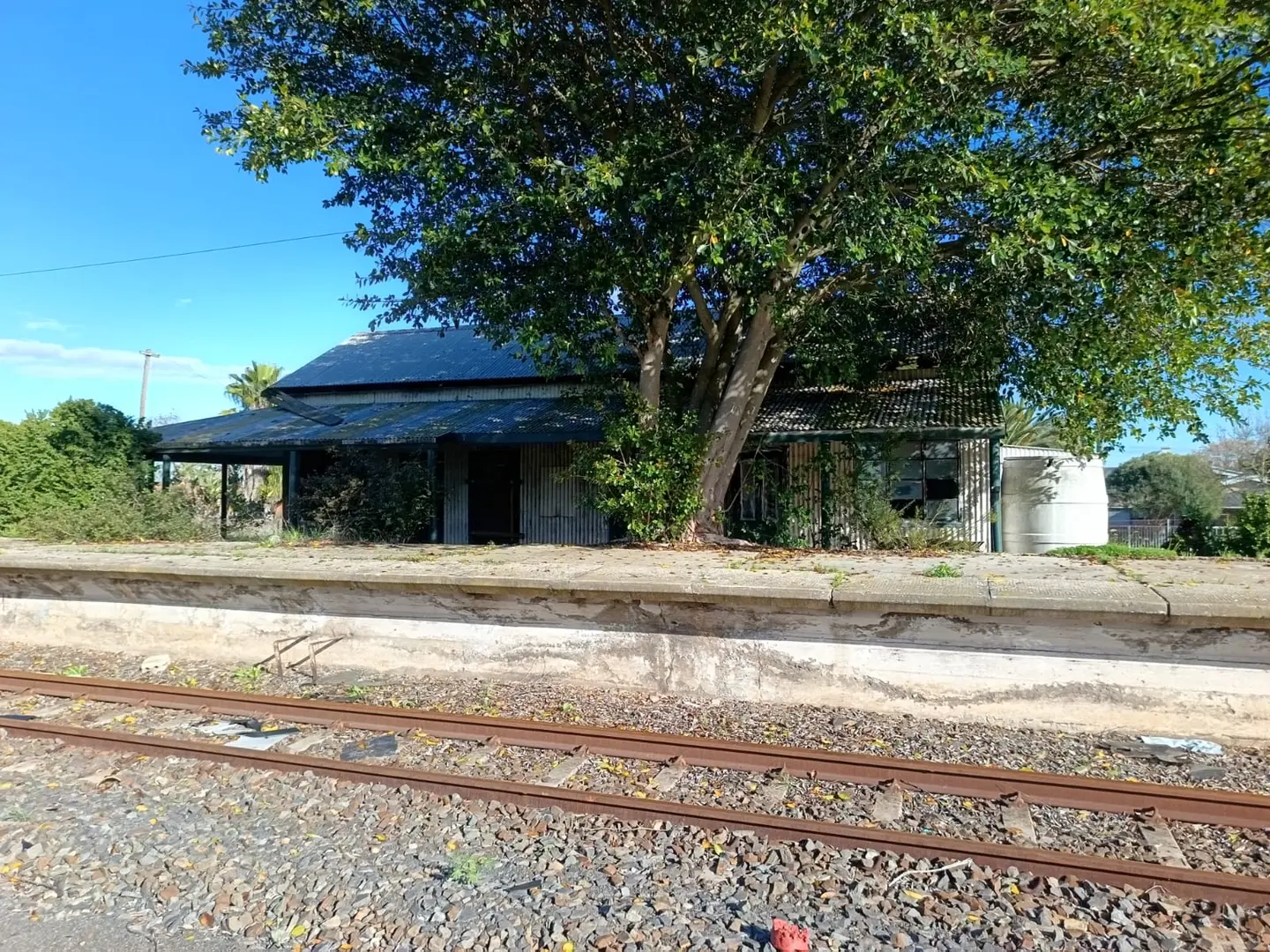
The Hopefield railway station was part of the first government-owned 2-foot (610 mm) narrow-gauge railway line in South Africa, which opened in 1903. This line, known as the Hopefield branch, ran from Kalbaskraal on the Cape main line to Hopefield, a distance of approximately 27 miles (43 km). It was constructed to serve the agricultural community of the Swartland, particularly for transporting grain and other produce. The initial 2-foot gauge was unusual for government lines, which typically used the Cape gauge of 3 feet 6 inches (1,067 mm). In 1926, the line was converted to the standard Cape gauge of 3 feet 6 inches (1,067 mm), a significant engineering undertaking that allowed through-running of mainline rolling stock. This conversion likely involved re-laying the track and adjusting bridges and structures. The station building at Hopefield, dating from the early 1900s, reflects the typical architecture of rural Cape railway stations of that era, often featuring a simple gabled structure with a platform and goods shed. Hopefield itself is a small town in the Swartland region of the Western Cape, founded in 1851 on the farm Hopefield. The railway brought economic connectivity to the area, but passenger services on the branch were eventually withdrawn. Freight services continued for decades, but the line was ultimately closed and lifted, with the station no longer in active railway use. Today, the site serves as a historical reminder of the early narrow-gauge railway development in the Cape Colony and the later standardisation to the Cape gauge.
AI-assisted · may contain inaccuracies