Did You Know?
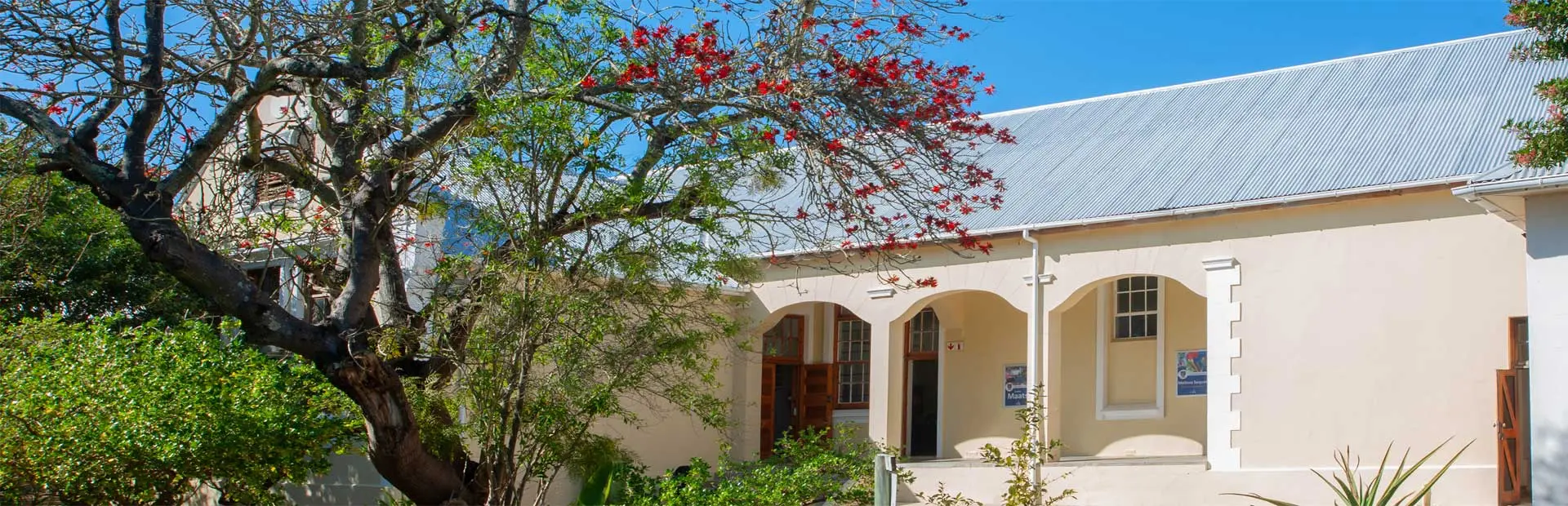
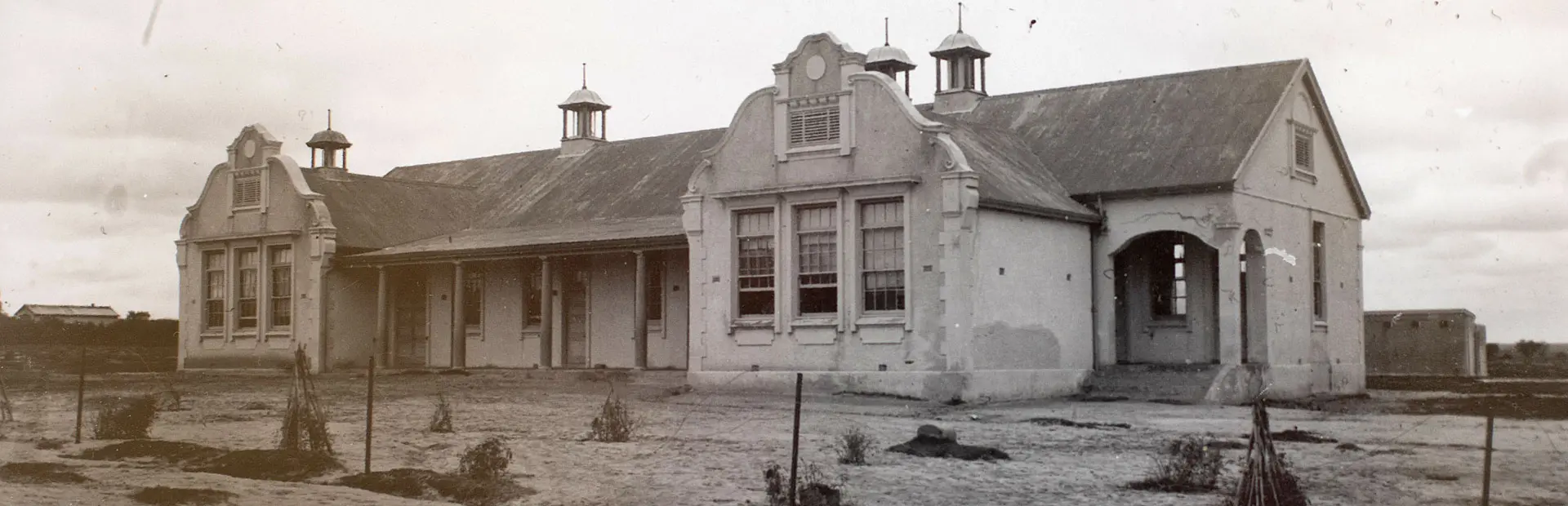
Hopefield High School, located in the town of Hopefield in the Western Cape, traces its origins to 1855, making it one of the older educational institutions in the region. The school was established in the context of the mid-19th century expansion of formal schooling in the Cape Colony, particularly in rural towns that grew around the Dutch Reformed Church. Hopefield itself was founded in 1851 on the farm Langekuil, and the school’s founding in 1855 reflects the town’s early commitment to providing education for its settler and farming community. The original school building, which has been extended and modified over the decades, is a notable example of vernacular Cape Dutch and Victorian-era institutional architecture common to small towns in the Western Cape. The site has served continuously as a place of learning for over 160 years, and its long history is intertwined with the development of the local community, including periods of change under the Cape Colony, the Union of South Africa, and the apartheid era, during which the school was reserved for white learners under the policies of the time. Today, Hopefield High School remains a functioning public school, and its historical significance lies in its longevity and its role as a landmark in a town known for its agricultural economy, particularly wheat and sheep farming. The building itself is not a formally declared national heritage site, but it is locally recognized as an important part of Hopefield’s built heritage, contributing to the town’s character alongside other historic structures such as the Dutch Reformed Church (built in 1861).
AI-assisted · may contain inaccuracies
Activations (0)
No activations recorded for this site yet.