Did You Know?
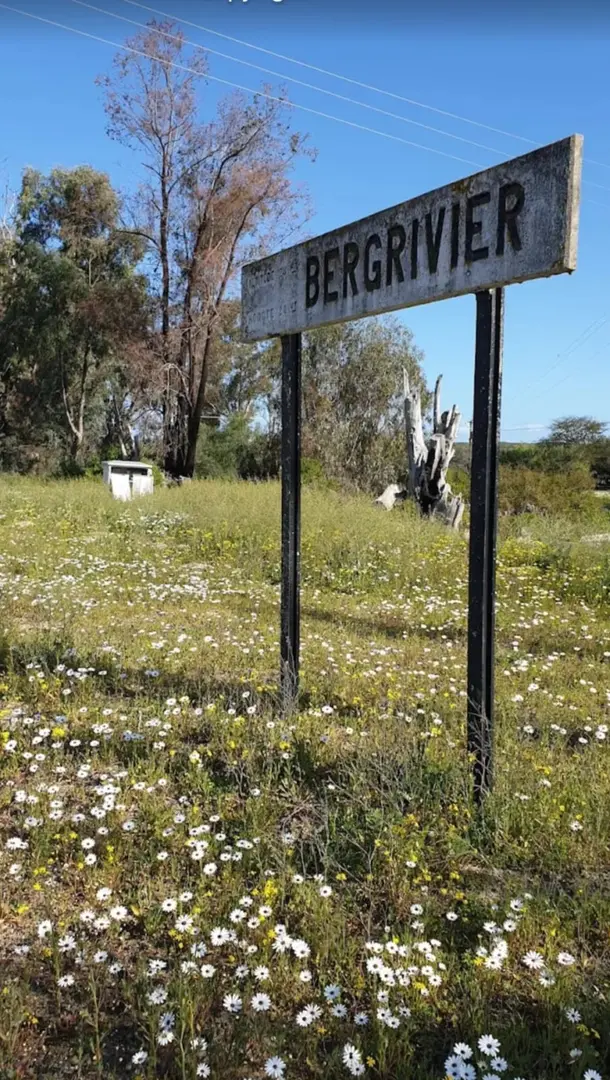
The Bergrivier Railway Station was established in 1911 as part of the narrow-gauge railway network that served the West Coast region of the Western Cape. This line was primarily built to transport agricultural produce, particularly wheat and other grains, from the fertile Swartland farming areas to the coast for export. The station was situated near the Berg River, which historically played a role in local transport and irrigation, though the railway itself was the key modern link for the region in the early 20th century. The station served the town of Hopefield, which was founded in 1852 and developed as a rural service centre. The railway line through Hopefield was part of a branch that connected to the main Cape Town to Saldanha Bay route, facilitating the movement of goods and passengers. By the mid-20th century, road transport gradually reduced the reliance on rail freight, and many such rural stations declined in use. Today, the Bergrivier Railway Station is a heritage site reflecting the early 20th-century railway infrastructure of the Western Cape. Its historical significance lies in its role in the economic development of the West Coast, particularly in supporting the region's agricultural economy. The station building and associated structures are examples of the utilitarian architecture typical of South African rural railway stations of that era.
AI-assisted · may contain inaccuracies
Activations (0)
No activations recorded for this site yet.