Did You Know?
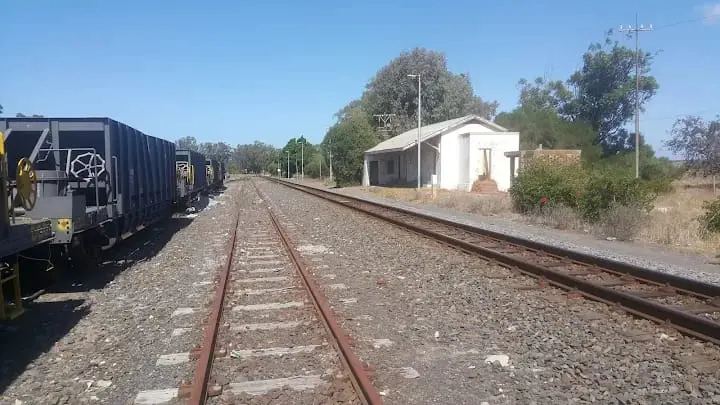
The Langebaanweg railway station was established in 1912 as part of the extension of the Cape Government Railways network into the West Coast region. The line was primarily built to serve agricultural and later military logistics, connecting the interior of the Western Cape to the port of Saldanha Bay. The station's location adjacent to what would become Air Force Base Langebaanweg (established in 1938 as a military airfield) meant that the railway played a strategic role in transporting supplies and personnel during World War II and the subsequent Cold War era. The station itself is a modest, utilitarian structure typical of early 20th-century rural Cape railway stops, with a single platform and a small goods shed, reflecting its primary function as a freight handling point rather than a passenger hub. In recent decades, passenger services on this branch have been largely discontinued, and the station operates mainly for freight, including the movement of military equipment and local agricultural produce such as wheat and livestock. The surrounding area, known for its fossil-rich Langebaanweg deposits dating back five million years, is of significant paleontological interest, though the station itself has no direct connection to these findings. The station's historical value lies in its role as a quiet but enduring link in the region's transport infrastructure, supporting both the military base and the rural economy of the West Coast for over a century.
AI-assisted · may contain inaccuracies