Did You Know?
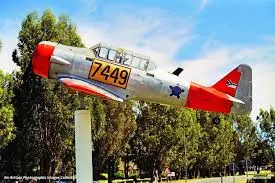
Air Force Base Langebaanweg, situated near the town of Langebaanweg on the West Coast of the Western Cape, was established in 1942 during the Second World War. It originally served as a training airfield for the South African Air Force (SAAF), playing a role in the Commonwealth air training scheme that prepared pilots and aircrew for wartime operations. The base's coastal location provided suitable flying conditions and space for expanding training infrastructure. After the war, the base continued to function as a key SAAF training facility. In the post-war decades, it became particularly associated with basic flying training, using aircraft such as the Harvard and later the Impala jet trainer. The base also hosted the SAAF's Central Flying School for periods, which was responsible for standardising instructor training and maintaining flying standards across the air force. In more recent years, AFB Langebaanweg has been the home of the SAAF's helicopter and fixed-wing training schools. It has also accommodated the 85 Combat Flying School, which trains pilots on the Hawk Mk 120 advanced jet trainer. The base is situated near the West Coast Fossil Park, an area rich in Miocene and Pliocene fossil deposits, though the airfield itself is distinct from that heritage site. The surrounding region, including the town of Langebaanweg and the nearby Langebaan Lagoon, has a long human history, with evidence of San and Khoikhoi occupation. However, the airfield's specific heritage is tied to its military aviation role, which has evolved from wartime training to a modern, multi-faceted SAAF facility supporting pilot development for over eight decades.
AI-assisted · may contain inaccuracies