Did You Know?
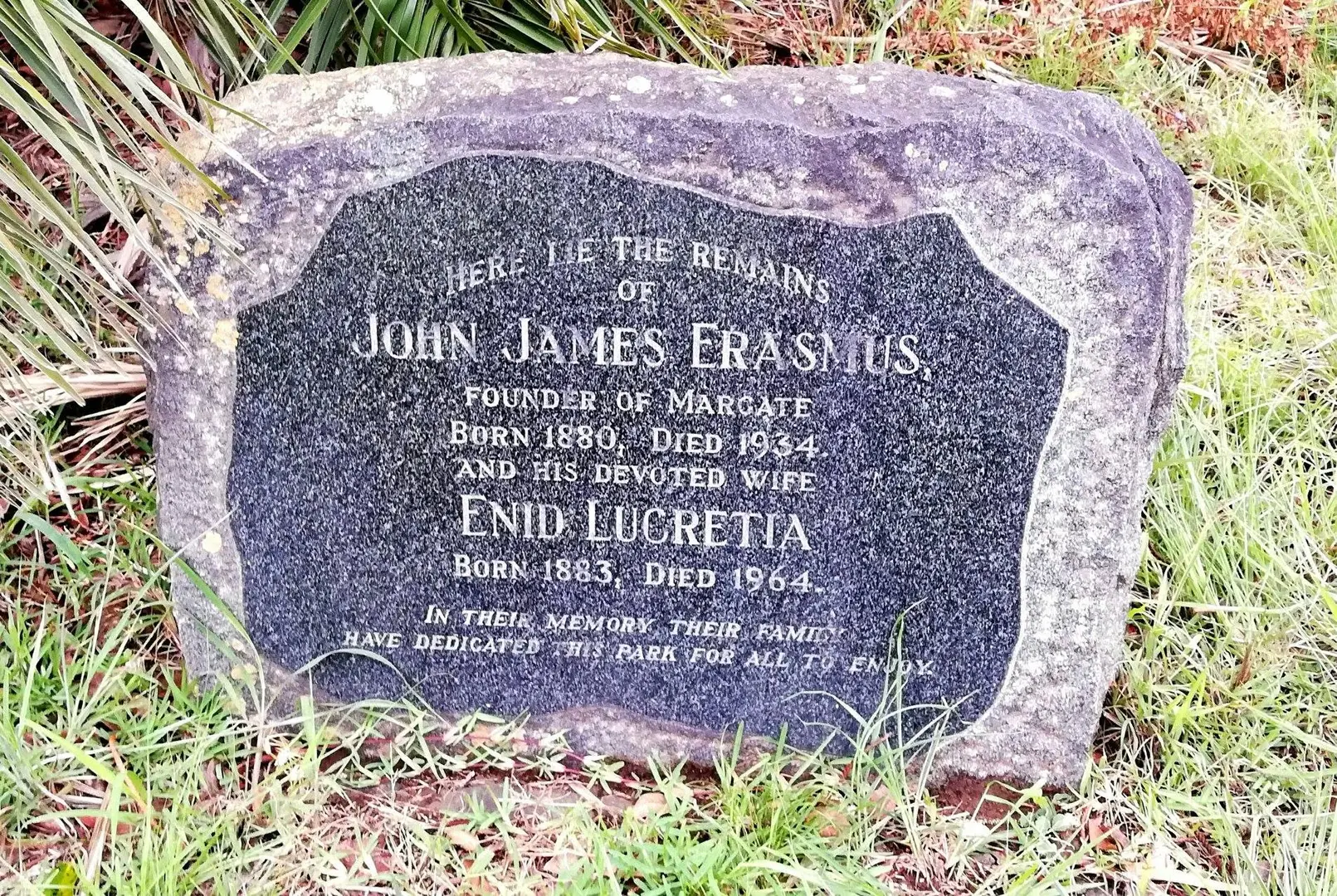
The grave site in Margate, KwaZulu-Natal, is that of the town's founder, and the surrounding park was donated by the family to the community. Margate was established in the early 1930s as a seaside resort on the KwaZulu-Natal South Coast, and the founder is generally associated with the development of the town during that period. The year 1934 aligns with the early growth phase of Margate, which was proclaimed a town in 1941, though its origins as a holiday destination date to the previous decade. Margate is located on the Hibiscus Coast, named for the abundance of hibiscus flowers in the area. The town grew rapidly as a holiday destination for inland South Africans, particularly from the then-Transvaal and Free State provinces. The grave site and park are situated near the Uvongo area, which is a neighbouring coastal suburb known for its river mouth and scenic lagoon. The family's donation of the park reflects a common practice in early 20th-century South African coastal development, where founders often set aside land for public use. The founder of Margate is historically identified as a local landowner and developer who purchased land in the area and subdivided it for holiday homes and businesses. The grave itself is a modest historical marker within the park, and the site is recognised locally as a place of heritage significance. The park remains a public space, and the grave is maintained as part of the town's historical memory, though specific biographical details of the founder are limited in public records.
AI-assisted · may contain inaccuracies