
Did You Know?
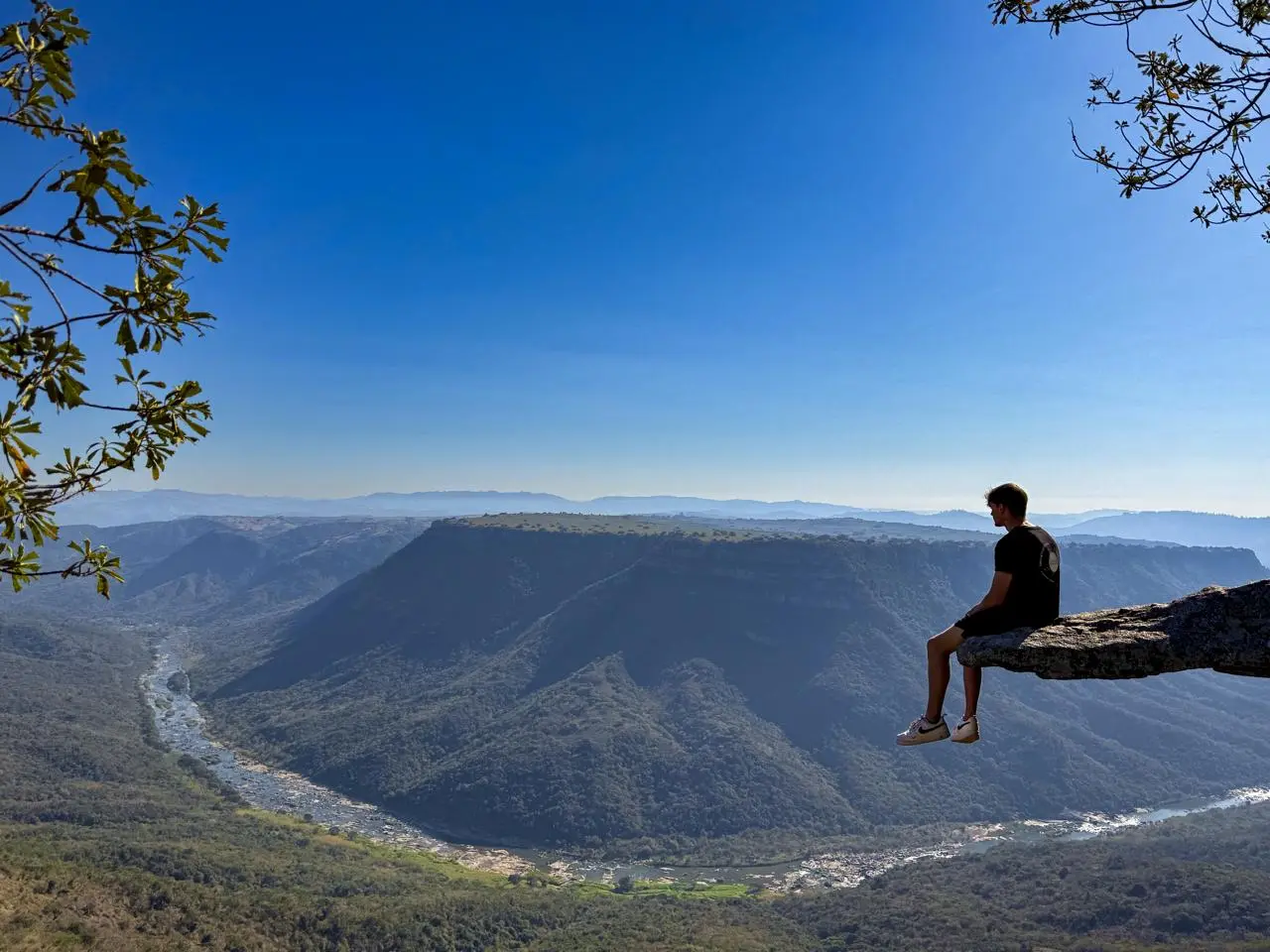
Leopard Rock is a historical building located in the Oribi Flats area of southern KwaZulu-Natal, South Africa. The Oribi Flats region, situated near the town of Port Shepstone, was historically part of the sugar cane farming belt that developed in the early 20th century. The building, dated to 1930, likely served as a farmstead or a rural residence during a period when the area was being opened up for agricultural settlement, particularly for sugarcane cultivation and mixed farming. The name 'Leopard Rock' may reference a local geological feature or the presence of leopards in the area, which were more common in the early 1900s before extensive land transformation. During the 1930s, the Oribi Flats area was part of the Natal Province, a region characterised by colonial-era land grants and the expansion of transport links, including the South Coast railway line that reached Port Shepstone in 1917. Buildings of this era in the area were typically constructed using local materials such as timber, corrugated iron, and stone, reflecting a utilitarian style suited to the subtropical climate. The site is not a formally declared provincial heritage site, and specific documented history about Leopard Rock itself is sparse, but it stands as a representative example of early 20th-century rural architecture in the KwaZulu-Natal south coast hinterland. Contextually, the Oribi Flats area is known for the Oribi Gorge Nature Reserve, established later in the 20th century, and for its steep, forested ravines. The 1930s in South Africa were marked by economic depression and the early development of the sugar industry, which became a dominant economic force in the region. Leopard Rock, as a private historical building, would have been part of this broader agricultural and social landscape, though no notable public events or prominent historical figures are recorded in connection with it.
AI-assisted · may contain inaccuracies